Roof Repair or Replace? How to Actually Tell
A plain look at how to tell whether a problem calls for a repair, or it is honestly time to replace the whole roof.
September 22, 2026 · 3 min read
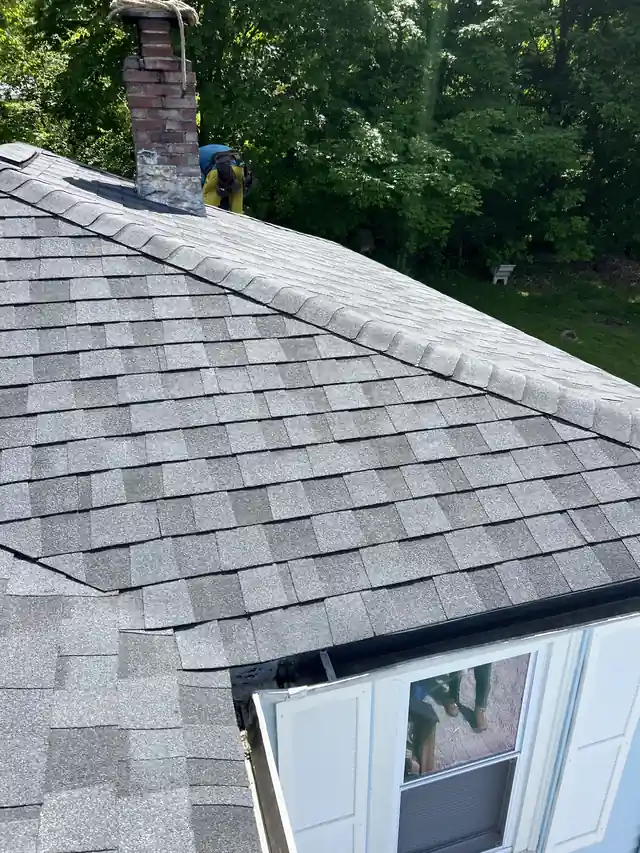
The first instinct when a roof starts acting up is usually to assume the worst. Sometimes that instinct is right. Just as often, the actual problem is small, contained, and fixable in an afternoon. The trick is telling the two apart honestly, instead of guessing based on how scary a stain on the ceiling looks, and that takes someone actually getting up on the roof rather than eyeballing it from the yard.
When a repair is the honest answer
A repair usually makes sense when the damage is isolated to one area, the decking underneath is still solid once someone actually checks it, and the roof as a whole still has good years left in it. In that situation, fixing the one thing that's actually wrong is faster, cheaper, and gets water stopped just as effectively as tearing the whole roof off. Flashing around a chimney, a cracked vent boot, a handful of shingles lifted by wind, all of these are usually a repair regardless of how old the roof is, because the surrounding roof itself is still doing its job.
A homeowner in Lincoln texted Tim one evening after a storm, when water had started coming down through an upstairs ceiling. Tim answered directly and was on the roof the next morning. The leak traced back to a cracked vent boot and a handful of lifted shingles nearby, nothing more. We replaced the boot, patched the shingles, and checked the surrounding flashing while we were already up there. It was a small repair at a fair price, with no attempt to sell a roof that did not need replacing yet.
When replacement is the honest answer
Replacement makes more sense once problems stop being isolated. That usually looks like leaks showing up in more than one spot, granule loss and cupping spread across a whole slope rather than one patch, shingles that crack when someone simply walks on them, or several of the general wear signs showing up together instead of just one.
A Woonsocket colonial had a three tab roof that was cupping and losing granules across the entire south facing slope. Tim measured it himself and gave the homeowner a written price on the spot. The crew tore off the old roof, found and replaced a section of damaged decking, dried the roof in with ice and water shield along the eaves and valleys, and finished with new architectural shingles the same day. That roof was past the point where a patch would have held for long.
Questions worth asking before you decide
- Is the damage confined to one spot, or spread across more than one area of the roof
- Has it leaked more than once, in more than one place, over the past year or two
- Is the decking underneath still solid once someone actually gets up and checks it
- How many of the general wear signs, granule loss, cupping, curling, are showing up at the same time
What repeated small repairs are actually telling you
One repair in five years usually means bad luck, a branch that came down, a boot that finally gave out. A pattern of repairs, a different leak every year or two, or the same section acting up again after being fixed, is a different signal. It usually means the roofing system underneath is nearing the point where patches stop holding for long, even when each individual fix looks minor on its own. That pattern matters more than any single repair does when you're deciding what to do next.
How Tim actually decides, and how he explains it
Tim climbs up and looks at the whole roof, not just the one spot you called about, because a leak in one place sometimes points to a problem somewhere else entirely. He checks the decking where he can reach it, looks at the flashing and valleys, and gives a written price for exactly what the roof needs, nothing more. If it is a repair and not a replacement, he says so plainly, because a roof that still has life in it does not need to come off just because it is easier to sell that way.
If you are staring at a stain, a soft spot, or a section of shingles that just doesn't look right anymore, call or text Tim at 401-233-ROOF. He will tell you which one it actually is, and back it with a written estimate before anyone touches a shingle, so you know exactly what you're paying for either way.
Tim's Roofing and Siding, 401-233-ROOF
Call 401-233-ROOFMore articles
How Long Does a Roof Last in Rhode Island?
What actually wears a Northern Rhode Island roof out, and the signs worth paying attention to before a small problem gets expensive.
Ice Dams on Rhode Island Roofs, Explained
How ice dams actually form on a Rhode Island roof, and what genuinely helps keep water out from under the shingles.